
Planning
When to hike the Wolf Trail?
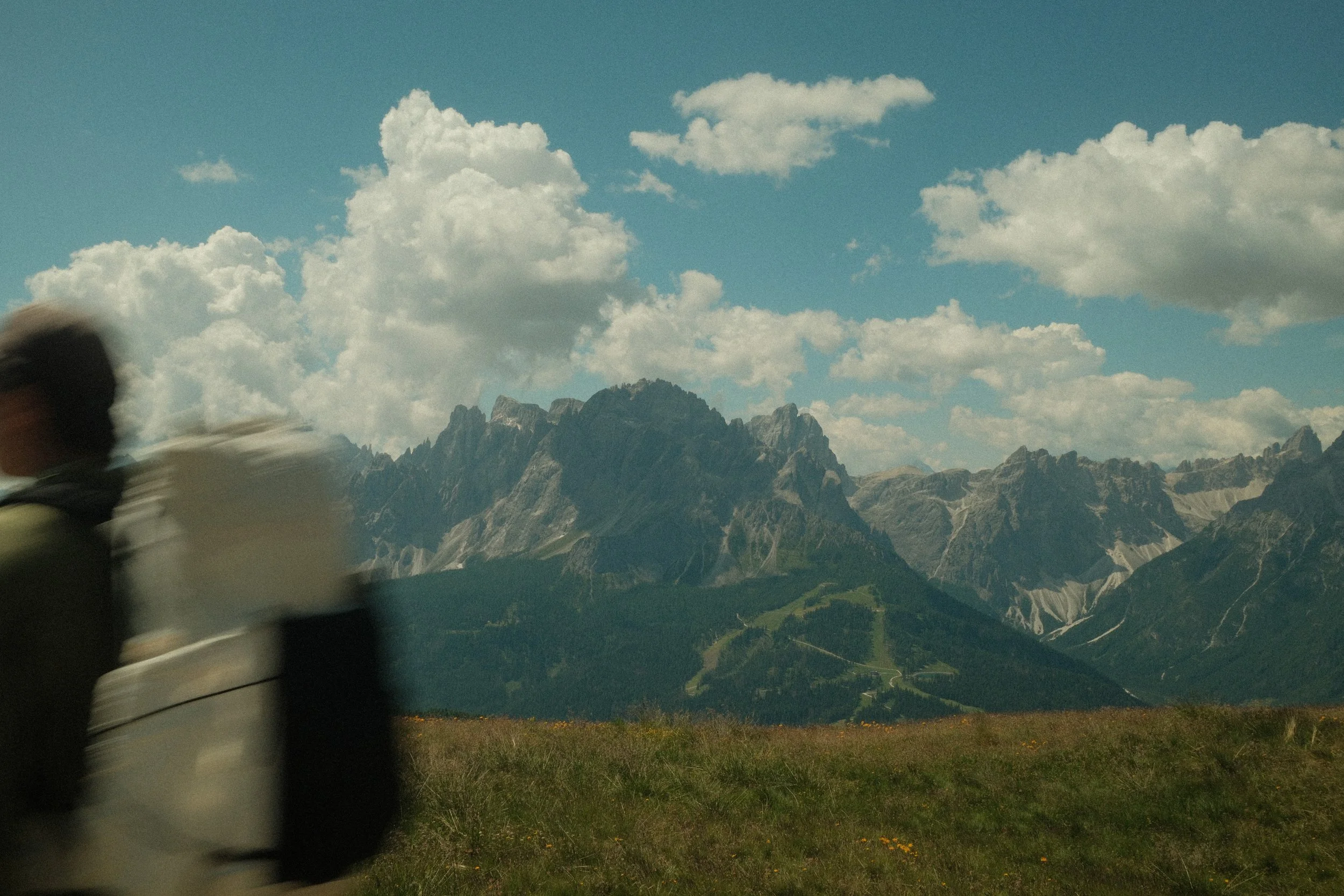
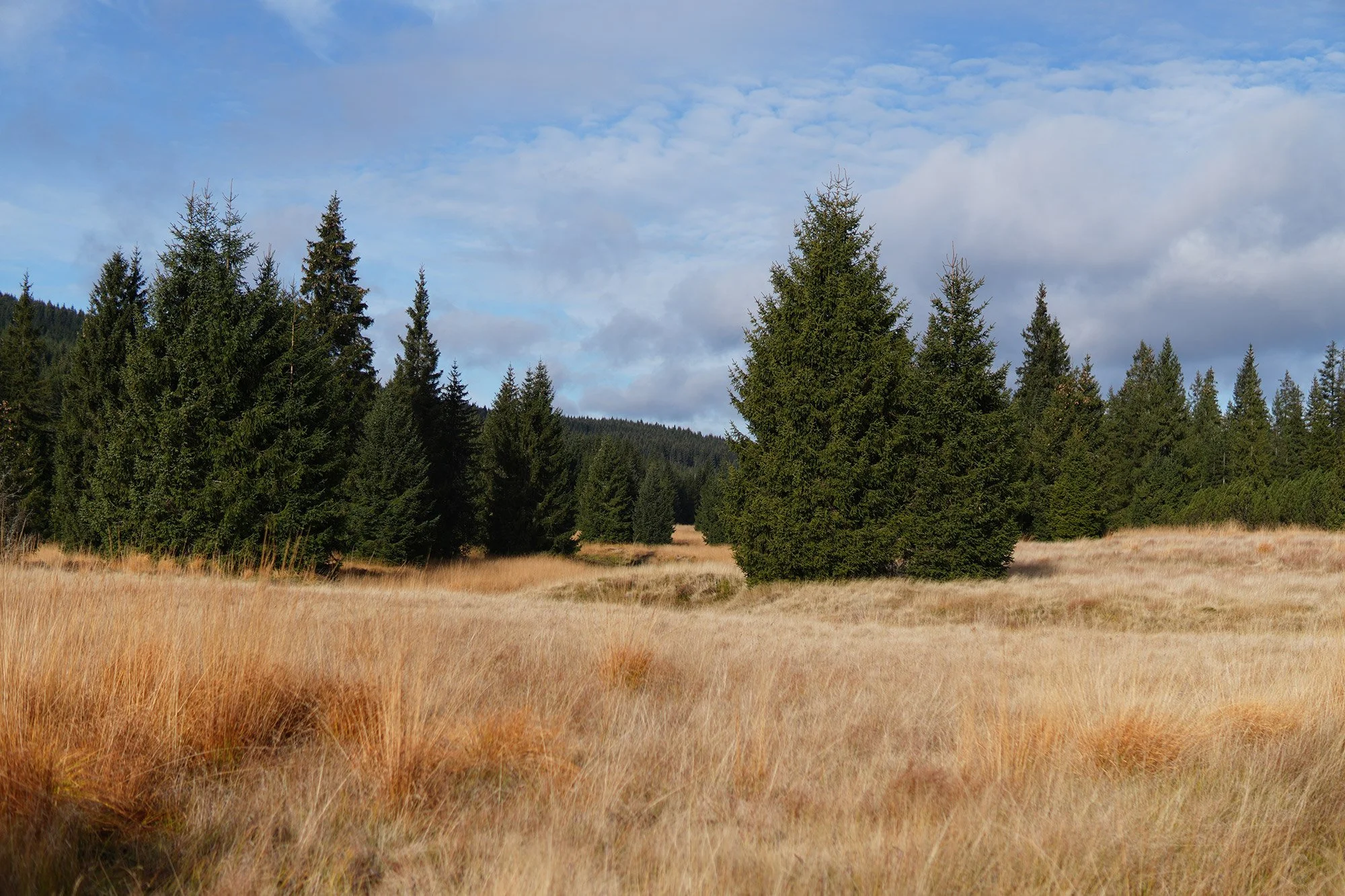
The best time to hike depends on which section you choose. Lower stretches through forests and countryside offer a longer hiking season, while the mountain sections need more careful timing. For the higher parts of the Alps, July to September is generally the main hiking window, though snow can remain on passes well into summer. Spring and autumn can be good options lower down, with cooler walking temperatures and quieter trails.
If you’re linking several sections, plan around when you’ll reach the mountains. Check snow conditions and hut opening dates before fixing your itinerary, and leave yourself a few spare days. Conditions change from year to year, so the calendar works on paper. A warm week in the valley doesn’t mean the high passes are clear, and fresh snow can arrive even in summer.
Getting there and around
Start by choosing the stretch you want to hike, then work out your journey to and from the trail. Towns along the route can make useful starting and finishing points, with onward connections by train or bus. Smaller villages and mountain trailheads may take a little more planning, especially if services are limited to certain days or seasons.
Check both ends of your hike before booking, including the connection between the nearest station and the trail itself. Download your tickets and timetables, and avoid relying on the last bus of the day after a long mountain stage. If you need to leave the trail early, it helps to know where the next road or village is. Keep your return journey flexible where possible: you’ll enjoy the final days more without having to rush to catch a train.
Accommodation & camping
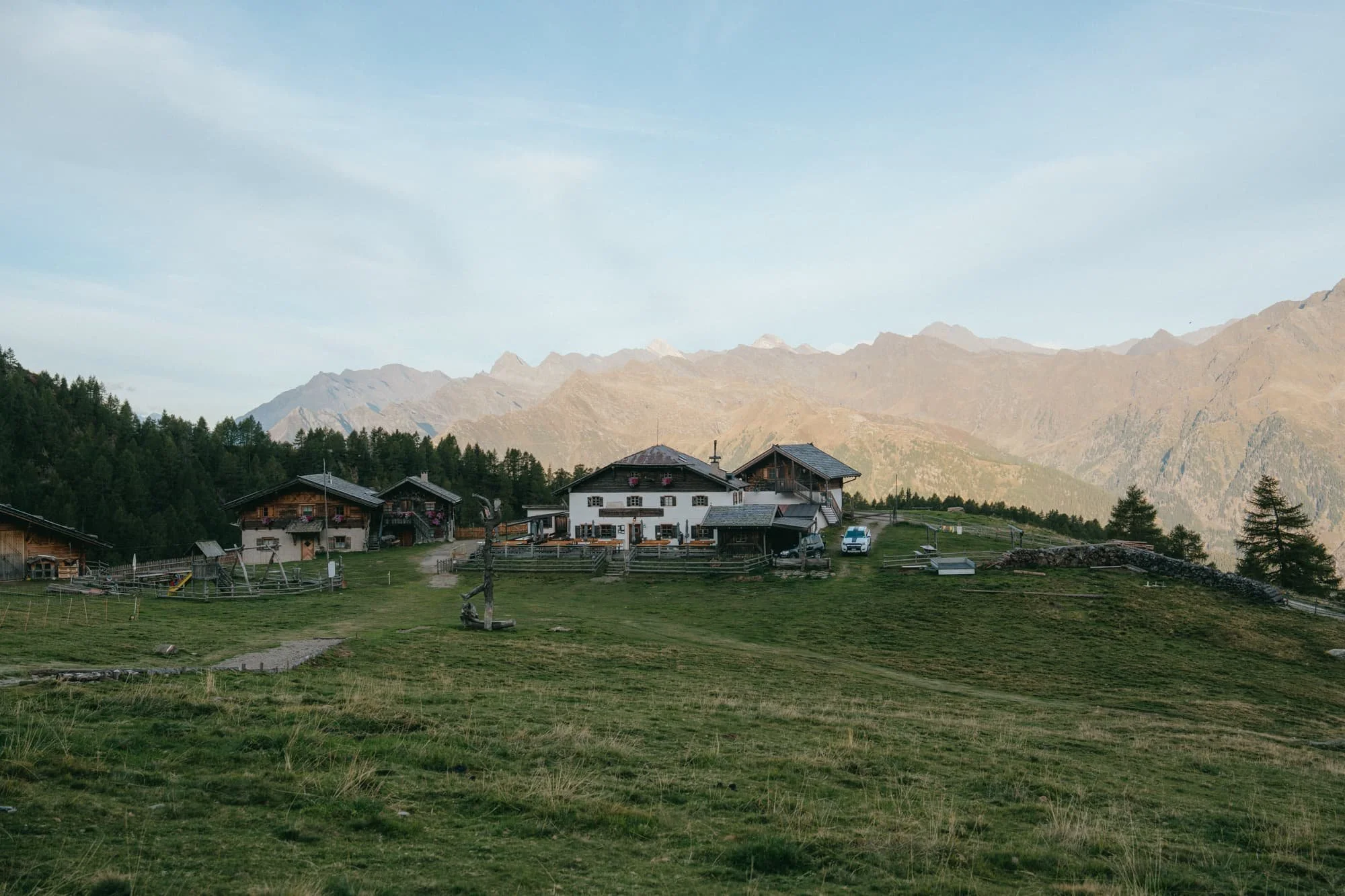
A hot shower in a village guesthouse, a night at a campsite or a bunk in a mountain hut. Where you stay depends on the section and how you like to hike. Check your options before heading out and plan your days around them, allowing for any extra walking to reach your bed for the night.
Book ahead when places to stay are few and far between, especially at mountain huts during summer. Check opening dates, whether meals are available and if you need a sleeping liner. If you’re bringing a tent, look up campsites and local camping rules along your route. Wild camping isn’t allowed everywhere, and restrictions vary between regions and protected areas. Wherever you stop for the night, keep your spot clean, respect your surroundings and take your rubbish with you.
Wild camping
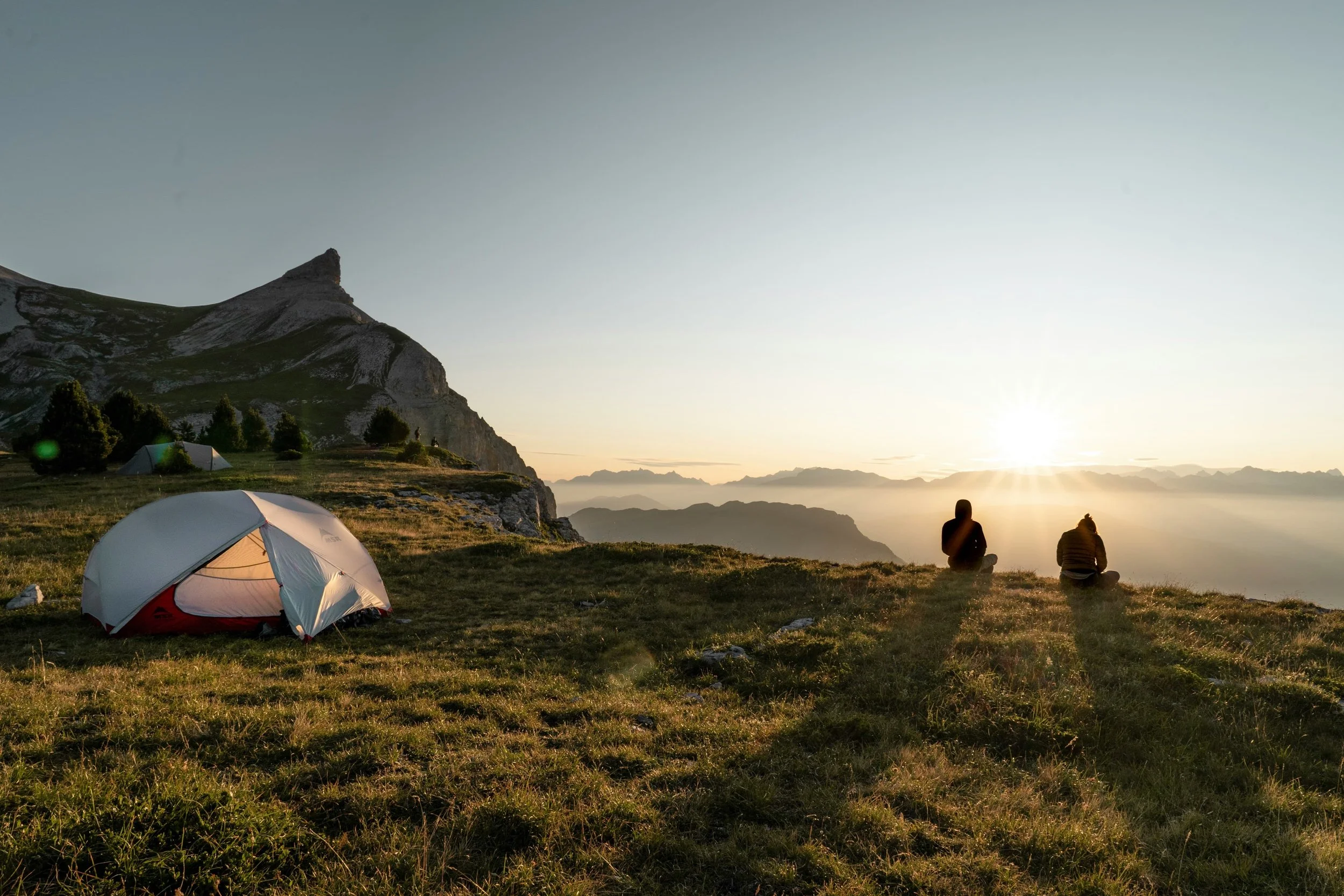
Sleeping outside is part of the fun of a long hike, but unfortunately, wild camping is not permitted along most of the Wolf Trail. Campsites are a good alternative if you’re carrying a tent. Check local rules before pitching anywhere, especially in nature reserves and national parks. Wherever you’re allowed to camp, keep things quiet, give wildlife space and take all your rubbish with you, including food scraps and toilet paper. Leave your spot as you found it.
Food & water
Food shopping and resupplies becomes part of the routine on a longer hike. Before each section, mark supermarkets, village shops and places to eat, then work out how much you need to carry between them. Check opening hours rather than assuming you can shop when you arrive. Sundays, public holidays and seasonal closures can turn a straightforward resupply into a hungry evening.
Carry snacks you’ll actually want to eat, a little spare food and enough water for the next reliable refill. Water availability changes along the route, especially on high ridges and during dry periods. Don’t assume every stream, fountain or hut has drinking water. Check locally, treat water from untreated sources, take a water filter with you or refill whenever you have a dependable opportunity. If you’re staying at a hut, ask about dinner, breakfast and packed lunches when booking, and mention dietary requirements in advance.
Safety
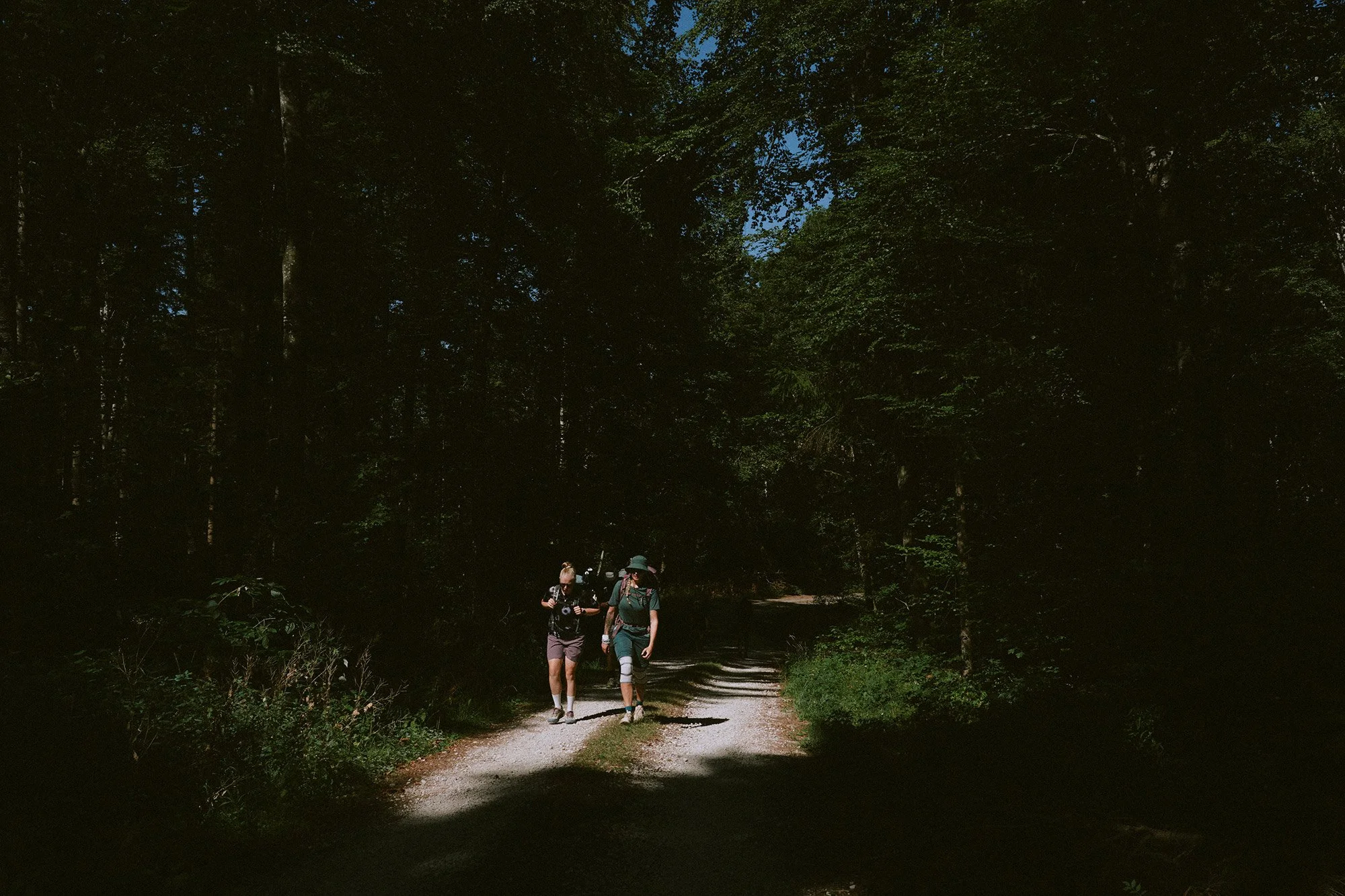
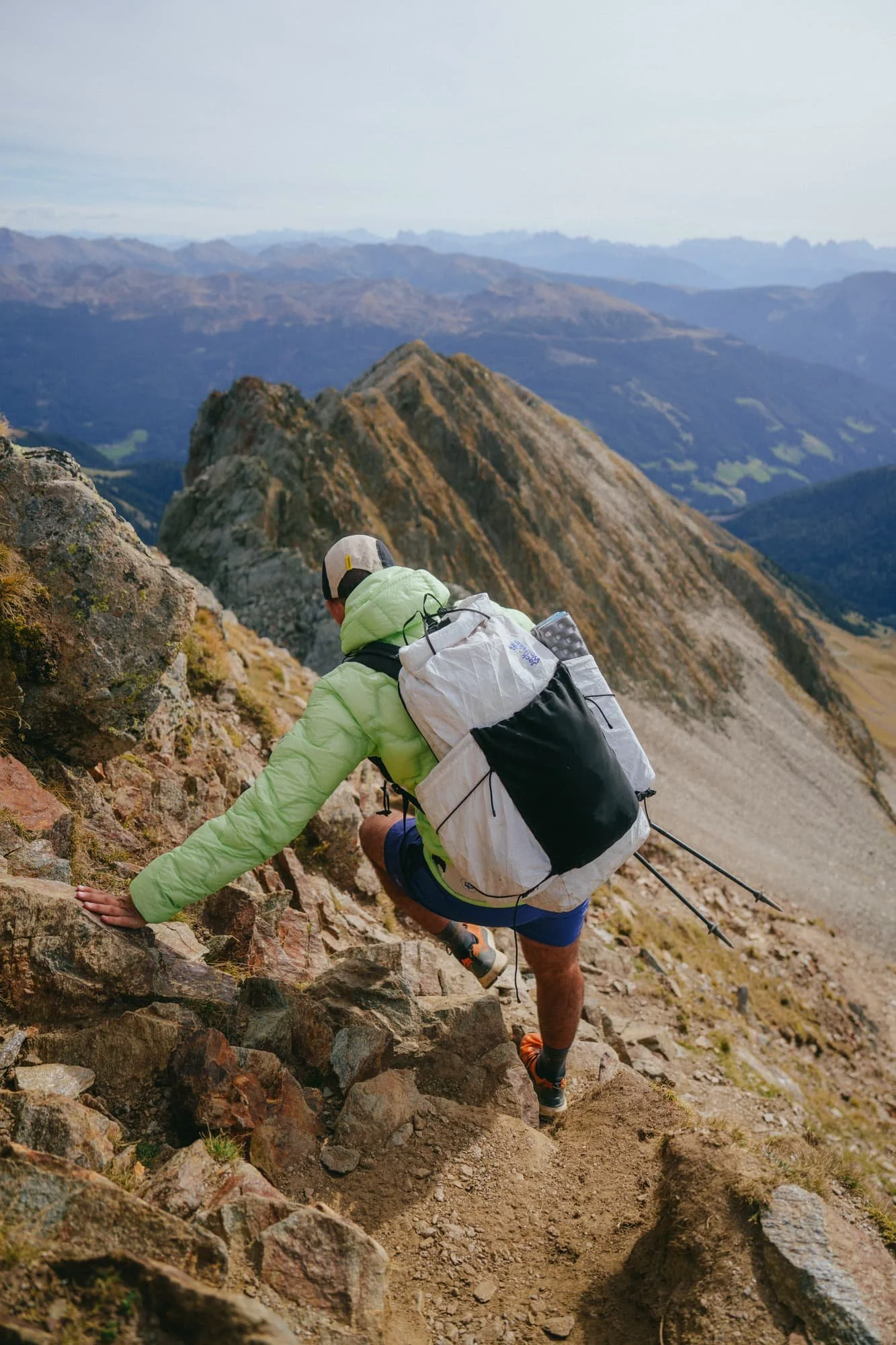
Choose daily stages that suit your experience and fitness, allowing for the weight of your pack. Distance alone won’t tell you how hard a day will be: steep climbs, loose rock and exposed terrain can make a short mountain stage slower than a much longer day in the forest. Build up gradually and give yourself time to rest.
Check a local mountain forecast before heading into higher terrain, and be ready to change your plans. Turn back or take a lower route if conditions are beyond your experience. Let someone know your itinerary, carry a first-aid kit and keep essential equipment accessible. Save the emergency numbers for the countries you’ll cross and arrange insurance that covers your planned activities, including mountain rescue where needed. Mobile reception can be patchy, so think through how you would get help without it.
Gear & packing
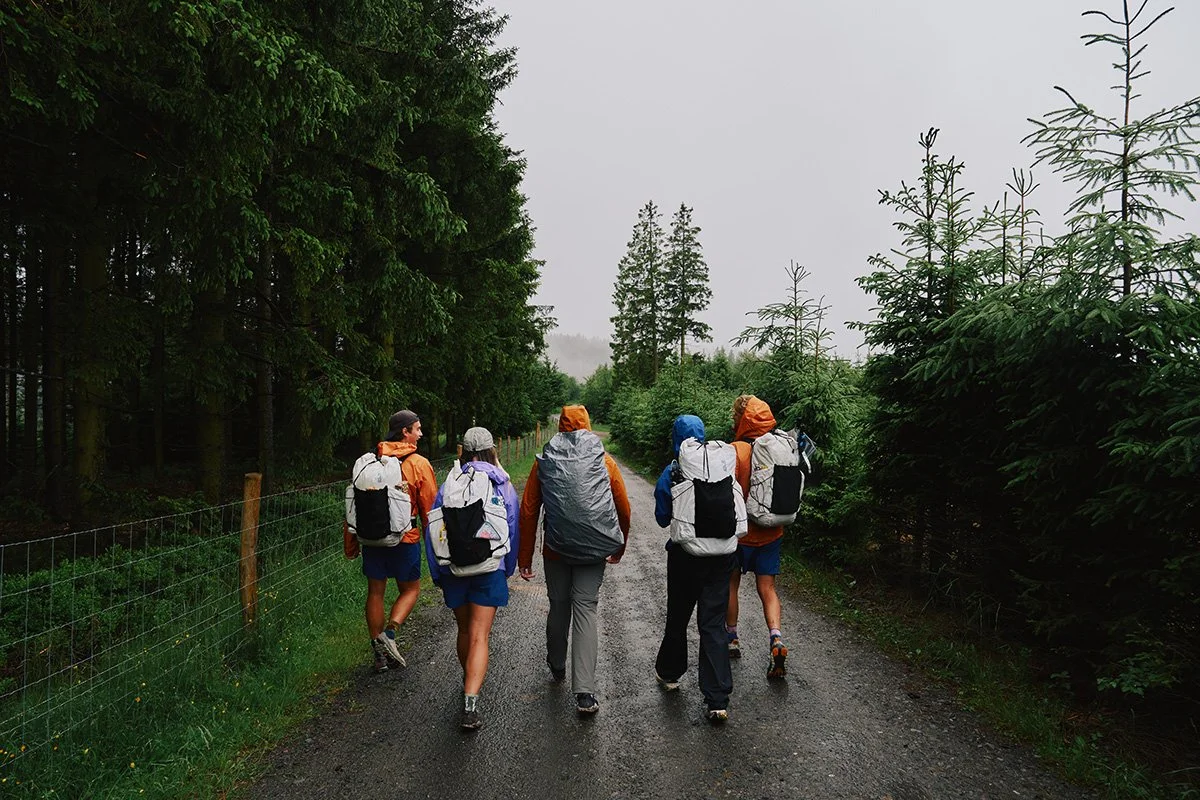
Pack for the section and the season. Comfortable footwear, a well-fitting backpack and reliable waterproofs are a good place to start. Add warm layers, sun protection, a headtorch, first-aid supplies and navigation equipment. In the mountains, carry a warm hat and gloves even when the forecast looks good. Keep your spare clothing and sleeping gear protected from rain inside your pack.
Your overnight plans will decide the rest. Camping means carrying shelter, a sleeping bag and a mat; hut stays usually allow a lighter setup. Check hut requirements before leaving, and only carry cooking equipment where you can use it legally and safely. Test everything on an overnight hike first, including your fully loaded backpack. Be honest about what you need, but don’t leave essential equipment behind just to save a little weight.
FAQ
Do I have to hike the whole trail?
No. Choose a section, link a few together or walk a shorter stretch between access points.
Is the Wolf Trail suitable for beginners?
It depends on the section. Start with manageable days on easier terrain. Alpine stretches require mountain experience, sure-footedness and confidence with navigation.
How far should I walk each day?
Plan around terrain, elevation gain and overnight options. Start conservatively until you know how you feel walking several days with a loaded pack.
Can I hike alone?
Yes, provided the route is within your abilities. Share your plans and consider joining someone for terrain you’re less comfortable tackling alone.
Can I bring my dog?
Check each section carefully, including accommodation policies, local restrictions and any difficult terrain.
Can I camp along the way?
Check local rules first. Carrying a tent doesn’t give you permission to camp everywhere.
Your journey starts here
The Trail
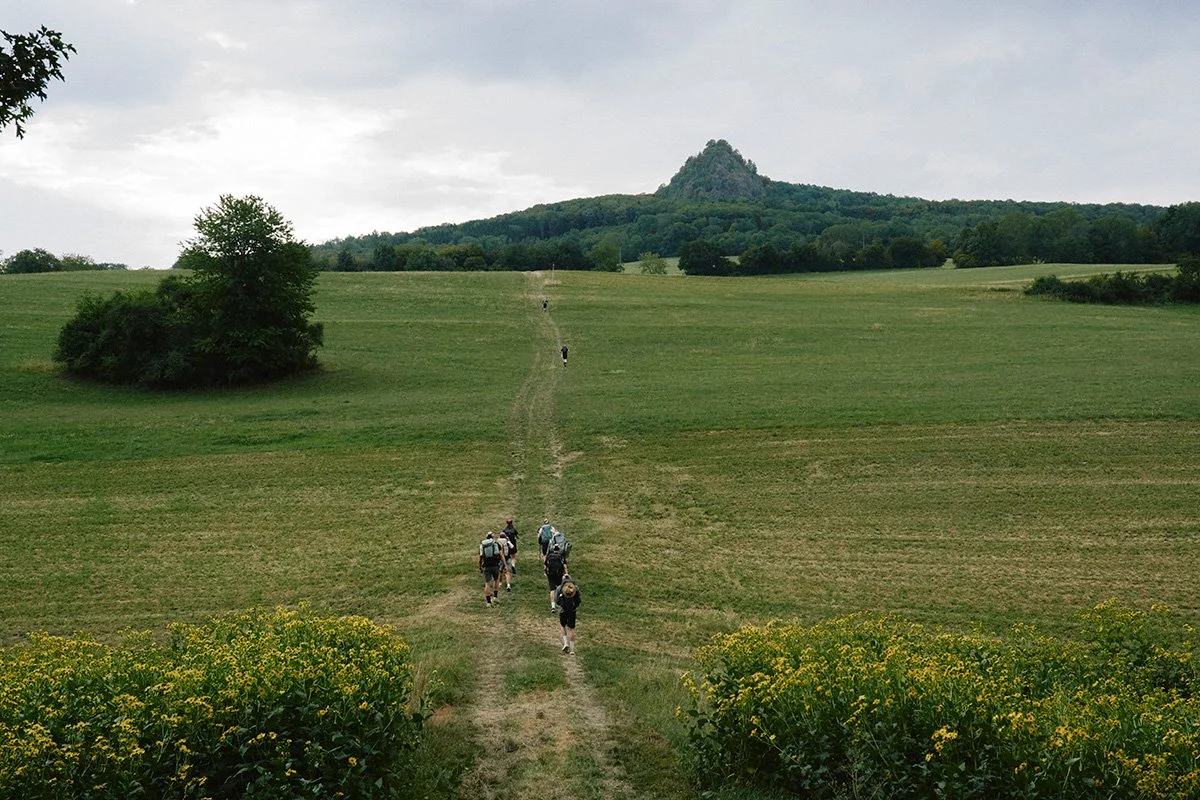
Get to know the Wolf Trail, explore its sections and find your favourite stretch. Discover the highlights, browse the maps and download GPX tracks for your hike.
The story
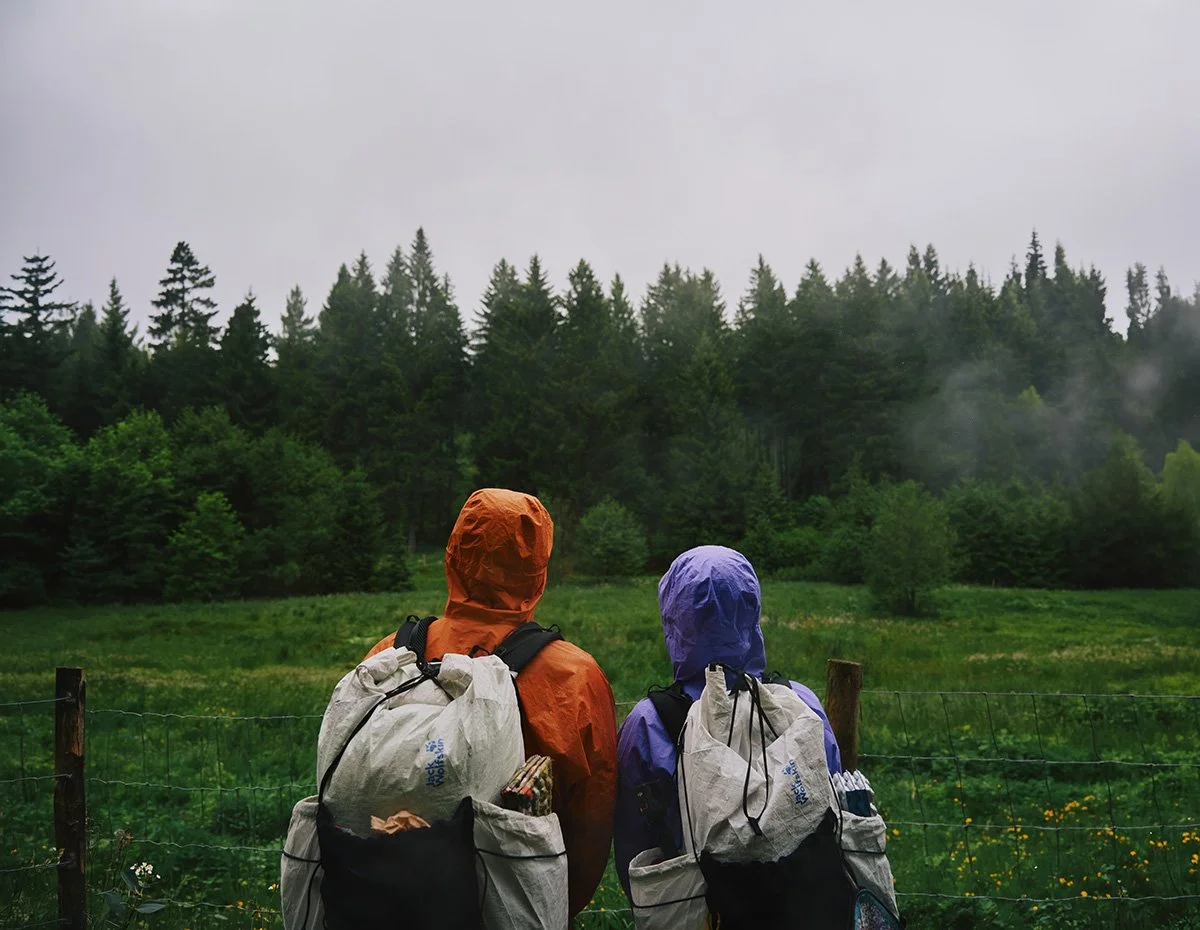
Meet the people behind the Wolf Trail and discover how it all began. Find out what brings us together and what we hope to build along the way.
Events
Early 2027. Stay tuned!